

Not all spring water is the same. Some of it moves through rocks underground for many years. As it travels, it picks up natural minerals such as calcium and magnesium. When bottled, it can have a unique mineral profile that factories can’t copy. At the same time, some other spring water might run through a ditch near a farm. It can pick up bacteria, animal waste, and chemicals from the surrounding land, even though it may look just as clear as the “good” spring water.
So, is spring water safe to drink? This question doesn't have a clear-cut answer. It actually has two, depending on which kind you're talking about.
Natural Spring Water vs. Untreated Spring Water
Most people find spring water in two ways:
- In a bottle from a store
- From a natural source outside, like a roadside spring or mountain stream
These are very different, and they come with very different risks.
In the United States, bottled spring water is regulated by the U.S. Food and Drug Administration (FDA). Companies must follow strict safety rules. They test the water regularly and ensure it does not contain dangerous levels of bacteria, heavy metals, or chemicals. In fact, the FDA’s limits for lead in bottled water are even stricter than the rules for tap water set by the Environmental Protection Agency (EPA).
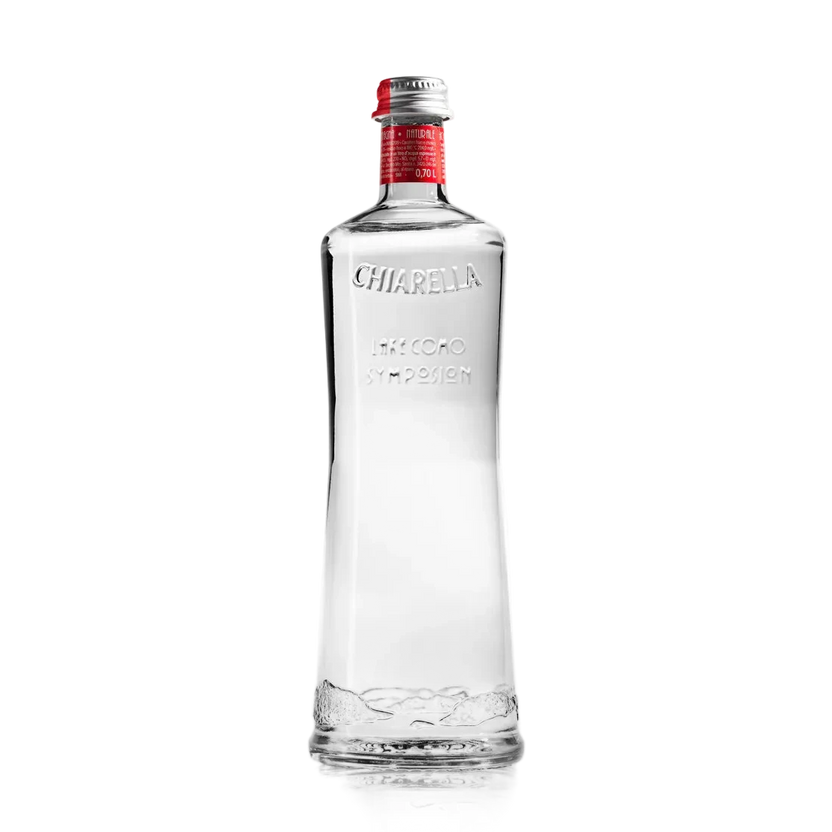
This means that bottled spring water that complies with FDA rules is considered safe to drink. It’s safer to always go for quality brands that are usually served at restaurants and luxurious settings. Good options like Chiarella are available on the table to ensure you receive quality drinking water without getting sick.
Untreated spring water from the wild is different. It has not been tested or cleaned. It may look clear and taste fresh, but that does not mean it is safe. Many harmful germs and chemicals have no color, smell, or taste.
What Untreated Spring Water Can Contain
Spring water usually stays close to the surface of the ground. Because of this, it can easily become polluted. If a spring is near farms, septic systems, or factories, harmful things can get into the water. These may include:
- Animal or human waste
- Chemicals from farming
- Pesticides
- Road salt
- Industrial pollution
Germs and Parasites
Untreated spring water can contain bacteria such as E. coli and other coliforms. It can also carry viruses, such as norovirus, and parasites, such as Giardia.
Finding E. coli in water usually indicates fecal contamination nearby. Giardia is common in outdoor water sources, even those that look clean.
These germs can cause stomach problems like diarrhea, vomiting, and cramps. In serious cases, contaminated water can spread diseases such as cholera, dysentery, and typhoid. The Centers for Disease Control and Prevention (CDC) warns that waterborne illness remains a serious public health issue.
Heavy Metals
Water can also pick up heavy metals from rocks underground. These include arsenic and lead. You cannot see, smell, or taste them, and boiling water does not remove them either. Drinking small amounts over time can be harmful to your health.
Water Quality Can Change Fast
A spring might test clean one day and become polluted the next. Heavy rain or melting snow can quickly wash dirt, waste, and chemicals into the water.
Testing water once does not guarantee it will stay safe.
Who Is Most at Risk
Untreated spring water can make anyone sick, but some people are at greater risk:
- Children
- Pregnant women
- Older adults
- People with weak immune systems
For these groups, health experts advise to not drink untreated spring water. What looks safe may not actually be safe.
Waterborne illness from contaminated springs is a recurring public health problem, and the sources are often ones that appear safe to the eye.
Is Bottled Spring Water Safe?
Yes, as long as commercially bottled natural mineral water meets FDA standards.
Bottled spring water must come from an underground source that naturally flows to the surface. It must be tested and bottled under controlled conditions. However, not all brands are the same. Some companies clearly list:
- Where the water comes from
- The mineral content
- Details about how the source is protected
If a label does not share this information, that may be a red flag. Quality brands often highlight the brand’s sources.
For example, Chiarella spring water comes from a protected underground spring on Mount Grona above Lake Como. The water is naturally filtered through ancient rock and bottled in glass. The brand also comes in still and sparkling water.
Every detail is listed on every bottle - that’s part of how you know their natural spring water is safe to drink.
Is Mountain Spring Water Safe to Drink?
Many people believe mountain spring water is pure because it comes from high, remote places. It is true that mountains often have less farming and fewer people nearby. However, the reputation of mountain spring water is partly marketing shorthand.
While the altitude and remoteness of mountain sources do help in reducing some contamination risks, it doesn’t mean that the spring water is automatically safe for consumption. Animals live in the mountains. Rain and snow can carry pollution into springs. Rocks can contain heavy metals. Even air pollution can settle into water sources.
The same rule applies regardless of elevation: if mountain spring water hasn't been tested, you cannot be sure what's in it.
Commercially bottled mountain spring water from a verified, protected source meets the same FDA standards as any other regulated spring water, and it’s safe to drink. Meanwhile, raw mountain spring water collected outdoors is untreated water, and it carries the same risks as any other untreated source.
How to Make Untreated Spring Water Safer
If you must collect natural spring water, there are ways to reduce risk. But none of them are perfect.
Boiling
Boiling is the most accessible. Bringing water to a rolling boil for at least one minute kills bacteria, viruses, and parasites. At high elevations (above 6,500 feet), boil for three minutes. While this is quick and accessible, boiling does not remove heavy metals or chemicals.
Filtration
High-quality water filters can remove many germs. Some advanced systems, like reverse osmosis, can also remove heavy metals. Basic camping filters usually do not remove viruses.
Chemical Treatment
Chemical disinfection using iodine or chlorine tablets kills most bacteria and viruses but leaves heavy metals, pesticides, and other chemical contaminants in the water.
Testing
Testing is essential for any spring source used regularly. If you use a spring often, have it tested by a professional lab at least once a year. Test more often if the spring is near farms or septic systems, or after heavy rain.
None of these methods is a guarantee. The most reliable approach for daily drinking water is a commercially tested and regulated source.
The Short Answer
Spring water itself is not automatically safe or unsafe. What matters is whether it has been tested and protected. Bottled spring water from a regulated source is one of the safest types of water you can drink.
Untreated spring water from the wild may look clean, but it can carry serious health risks. The only difference between the two is simple: testing, protection, and care.
References
- Centers for Disease Control and Prevention. (2023). Food and waterborne illness. U.S. Department of Health and Human Services.
- Schymanski, D., Goldbeck, C., Humpf, H. U., & Fürst, P. (2018). Analysis of microplastics in water by micro-Raman spectroscopy: Release of plastic particles from different packaging into mineral water. Water Research, 129, 154–162.
- U.S. Food and Drug Administration. (2023). Bottled water everywhere: Keeping it safe.
- World Health Organization. (2022). Drinking-water.


