

The water in your glass has had a long journey to get there. For some bottles, that journey spans across ancient rock, water filtered over years through layers of Dolomitic limestone, picking up calcium and magnesium along the way. For others, it passed through a processing facility and emerged clean, consistent, and stripped of almost everything the earth might have given it.
The difference between spring water and purified water is a matter of taste preference, but also of origin, of what the water carries, and of how it got from the ground to the bottle. Understanding that distinction can completely change the way you think about water and how you drink it.
What Is Spring Water?
Spring water comes from a natural underground water source called an aquifer. This rock layer holds water. The water must either flow to the surface on its own or be collected from the underground location where it would naturally emerge. The FDA stipulates it can only be collected at the spring or through a well that reaches the same underground water. It cannot be sourced elsewhere and labeled as spring water.
What makes spring water special is what happens before it is collected. As water slowly moves through layers of rock and soil, it picks up natural minerals such as calcium, magnesium, and potassium, along with trace amounts of others. The exact minerals depend on the type of rock in that area.
This process happens naturally over time, and the earth serves as a filter for the water. As a result, spring water tastes different depending on where it comes from. For example, water filtered through limestone in the Italian Alps will taste different from water filtered through granite in New England. That difference isn’t necessarily a problem, as ultimately, it’s all about taste preference.
It’s important to note that not all spring water can be called natural mineral water. To have that name, the water must contain at least 250 parts per million of dissolved minerals and come from a protected underground source with steady mineral levels. However, all natural mineral water starts as spring water.
What is Purified Water?
Purified water is defined by the process used to clean it, not by its source. It can start as tap water, groundwater, or even spring water. What matters is that it has been treated to remove dirt, chemicals, germs, and dissolved minerals. There are several common ways to purify water.
- Reverse osmosis pushes water through a special filter that removes many tiny particles, bacteria, and chemicals.
- Distillation boils the water into steam, then condenses it back into liquid, leaving most impurities behind.
- Carbon filters remove chlorine and some chemicals.
- Ion exchange removes certain minerals through a controlled chemical process.
After these treatments, the water is consistently clean. However, most of the natural minerals are removed along with the impurities. This process gives purified water a neutral, plain taste. Some people like this simple taste, while others find it a bit bland. Some bottled water brands add minerals back in to improve the flavor, but these minerals are added during processing, not naturally absorbed from rocks.
The FDA regulates purified water and requires it to meet strict safety rules for contaminant levels.
Key Differences Between Spring and Purified Water
Spring and purified water can be excellent options to quench thirst. However, they are worlds apart in terms of quality and packaging.
| Spring Water | Purified Water | |
| Origin | Comes from a specific underground water source called an aquifer. | Can come from any source, such as tap water, groundwater, or even spring water. |
| Filtration | Naturally filtered as it moves slowly through layers of rock and soil. | Cleaned by machines using methods such as reverse osmosis, distillation, carbon filtration, or ion exchange. |
| Mineral Content | Keeps natural minerals like calcium, magnesium, and potassium. | Most minerals are removed during cleaning. Some brands add minerals back later. |
| Taste | Has a mineral taste that depends on its source. | Tastes neutral and plain, with little to no mineral flavor. |
| Consistency | Its qualities stay consistent with its natural source. | Stays consistent because of the cleaning process, no matter where it started. |
| Label Requirements | Natural mineral water must list its full mineral content. Regular spring water labels can vary. | Must meet FDA safety standards, but does not have to list mineral content. |
| Best For | Every day drinking, getting natural minerals, and enjoying flavor. | Mixing infant formula, using it in appliances, or for people with weak immune systems. |
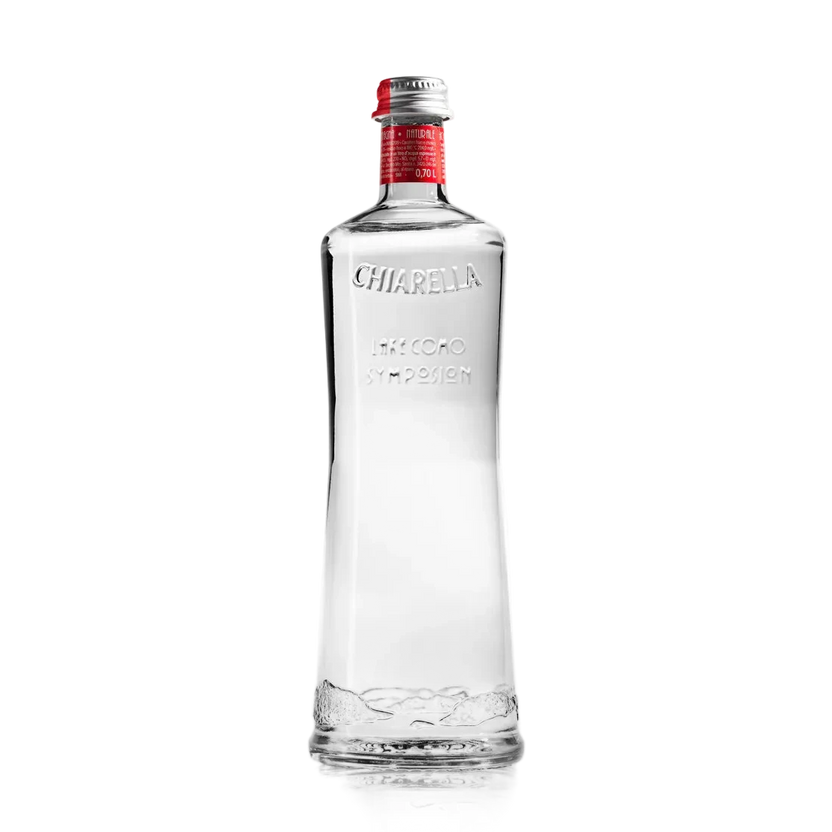
When choosing between spring water and purified water, it’s important that you pick something that reflects integrity. Brands such as Chiarella are excellent in the spring water department with their Italian sparkling mineral water collection. If you’re searching for a more vibrant expression of the same alpine source, the sparkling mineral water collection is also a great option, as it offers natural mineral depth with refined carbonation.
Understanding the difference between all water types will always help you make informed choices.
Is Spring Water Better Than Purified Water?
For everyday drinking, spring water is usually the better choice if you want your water to do more than just stop your thirst. Spring water contains natural minerals such as calcium, magnesium, and potassium. Your body uses these minerals every day to stay healthy. Studies show that the calcium in mineral-rich spring water can be absorbed by your body just as well as calcium from milk, and higher levels of magnesium in drinking water may also be linked to a lower risk of heart disease. (Jiang et al., 2016; Bohmer et al., 2000). These benefits come from the naturally occurring minerals in the water, not from anything added later.
At the same time, there are times when purified water is the better option. For example, when mixing baby formula, purified water is often recommended because it has a consistent level of purity and does not contain extra minerals. Purified water is also better for coffee makers, humidifiers, and other appliances because it does not cause mineral buildup inside the machines. For people with weakened immune systems, purified water made by reverse osmosis or distillation can provide added safety because it removes more potential contaminants.
Both spring water and purified water are considered safe by the U.S. FDA and EPA. Essentially, it’s not really a matter of the safety of one over the other, and it’s more about what you want your water to do for you every day.
In general, good spring water comes from a protected underground source and is bottled right where it emerges from the ground. At Chiarella, our story began in 1964, and it chronicles our dedication to bringing you the best spring water, never compromising quality.
Environmental Impact
At the mass-market level, both spring and purified water are often sold in plastic bottles, which can harm the environment. Plastic waste, transportation, and water extraction all have environmental costs. Sometimes, locally made purified water may have a smaller carbon footprint than spring water shipped from far away, although glass bottles can make a difference.
Spring water encased in glass eliminates concerns about microplastic contamination, since PET bottles have been shown to leach microplastic particles into the water over time, particularly with heat exposure (Schymanski et al., 2018). Glass is inert and doesn't react with the water inside it.
Which One to Choose
For daily drinking, choose spring water that clearly lists its minerals on the label and tells you where it comes from. Look for low sodium and healthy amounts of calcium and magnesium from a protected underground source.
For special situations, such as making baby formula, protecting appliances, or requiring the highest level of purity, purified water is the better choice.
The main difference is simple: purified water is defined by what it removes, while spring water is defined by where it comes from. For everyday drinking, where your water comes from can matter more.
References
- Bohmer, H., Muller, H., & Resch, K. L. (2000). Calcium supplementation with calcium-rich mineral waters: A systematic review and meta-analysis of its bioavailability. Osteoporosis International, 11(11), 938–943.
- Jiang, L., He, P., Chen, J., Liu, Y., Liu, D., Qin, G., & Tan, N. (2016). Magnesium levels in drinking water and coronary heart disease mortality risk: A meta-analysis. Nutrients, 8(1), 5.
- Schymanski, D., Goldbeck, C., Humpf, H. U., & Fürst, P. (2018). Analysis of microplastics in water by micro-Raman spectroscopy: Release of plastic particles from different packaging into mineral water. Water Research, 129, 154–162.
- U.S. Food and Drug Administration. (2023). Bottled water everywhere: Keeping it safe.


